Home / Field notes / Note 4
Field note no. 4
What to do if you find an injured or dead seabird
Do not touch it. Dead wild birds in England, Scotland and Wales can be reported to Defra online or on 03459 33 55 77. For a live bird in trouble, contact a local wildlife rescue or vet first, then the RSPCA, Scottish SPCA or USPCA. Do not put it back in the sea.

If the bird is dead
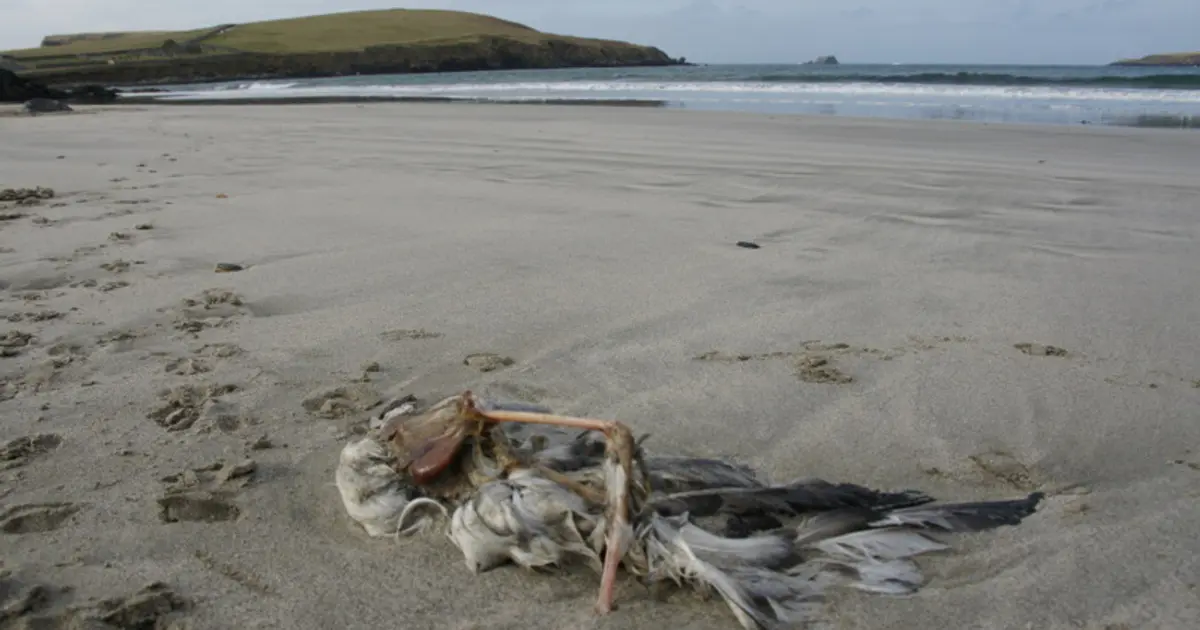
Leave it where it is. GOV.UK guidance is plain: do not touch dead wild birds. Report them through the online service or by phone on 03459 33 55 77. The service covers England, Scotland and Wales, while Northern Ireland has separate guidance linked from the same page.
The marine and coastal wildlife code for England sets out when a report is wanted:
- one or more birds of prey
- three or more birds, including at least one gull, swan, goose or duck
- five or more wild birds of any species
So a single dead guillemot on a tideline does not meet the listed numbers, though several together would. The history on the GOV.UK page shows the reporting rules have changed before, so use the online form to check. Reported birds may be collected and tested for bird flu or another cause of death, but not all of them will be. Do not expect a collection, and do not take that to mean your report was wasted.
Keep dogs on a lead near a carcass and wash your hands with soap and water if you do touch droppings or feathers. The RSPCA gives the same advice for anyone who ends up handling a bird.
If it looks like a crime or a poisoning
A dead bird with signs of shooting or trapping, or a suspicious scatter of bodies, is a different matter. GOV.UK says suspected wildlife crime should go to the police, and suspected pesticide or rodenticide poisoning to the Wildlife Incident Investigation Scheme on 0800 321 600, which is a free call. The marine code gives 999 for a wildlife crime in progress and 101 for one that has already happened.
If the bird is alive
First decide if it needs help at all. The RSPCA says healthy adult birds may rest on the ground, and the Scottish SPCA says young birds learning to fly often spend time there. The RSPCA's warning signs include:
- visible wounds or bleeding
- being caught by a dog or cat, which always needs treatment even without a visible wound
- no movement when you approach, since a healthy adult should try to walk or fly away
- a head that cannot be held up, poor balance, or a twisted neck
- panting or fast breathing that lasts for at least two hours
If you are unsure, take a photograph or short video from a distance. A rescuer can often judge more from that than from a description.
Who to ring, in order
The RSPB does not treat birds, but it sets out a sensible order: a local wildlife rescue, then a local vet, then the national charity if neither can help. It says vets should give emergency first aid to wildlife free of charge, though some may ask you to wait outside because of bird flu.
| Where you are | Who | Number |
|---|---|---|
| England and Wales | RSPCA | 0300 1234 999 |
| Scotland | Scottish SPCA (9am to 5pm daily) | 03000 999 999 |
| Northern Ireland | USPCA | 028 3025 1000 |
The Scottish SPCA asks people to contain most birds in a box before it attends, but not gannets, swans, geese, herons or birds of prey. A gannet is a large bird with a long, pointed bill, so leave that one to the experts. Across the board, the RSPCA's first advice in light of bird flu is not to handle sick birds at all, so ask the helpline before you try anything.
Seabirds with oil on them
Report live oiled birds to the RSPCA, Scottish SPCA or USPCA, and do not try to clean them yourself. The RSPB explains that oil is toxic when a bird swallows it during preening. Report the spill itself to the Coastguard if it is on the coast. Oil is a particular hazard for auks, as our note on guillemots and razorbills mentions, since they spend so much of their lives on the water.
Things not to do
Some common kindnesses do more harm than good here. Do not carry a bird down to the water and let it go, because the marine code says not to return injured, stranded or dead animals to the sea, and a bird on the beach may be there because it could not cope offshore. Do not offer food or water while you wait, unless a rescuer tells you to. And do not put yourself at risk on a cliff path or a rising tide to reach a casualty. No bird is worth a call to the Coastguard on your own behalf, so check the tide times before you go out on to the rocks.
What to have ready when you call
A good description saves a rescuer time. We suggest noting the following before you dial:
- The exact place, with a map reference or the nearest named car park.
- What the bird looks like, and how big it is. Our colour plates may help with a name, but a description will do.
- What you have seen it do, and for how long.
- Any risk to it from the tide, dogs or people.
- If you are able to stay nearby, at a distance, to guide someone in.
Bird flu in plain terms
Bird flu is the main reason the advice above is so cautious. GOV.UK keeps a page on the disease, which notes that ducks, geese and swans can carry and spread it without showing signs of illness, and the RSPCA says some infected birds show no symptoms. So a bird that looks fine is not proof of anything. Check the current position before you visit a colony, because the rules in force at any given time are set out there and not here.
Marine mammals on the same beach
If what you find is a seal, dolphin, whale or porpoise, the people to call are different. British Divers Marine Life Rescue runs a hotline on 01825 765546 for live animals, and the Cetacean Strandings Investigation Programme on 0800 652 0333 records dead ones in England and Wales. See our note on seals for the advice on pups.