Home / Field notes
Field notes
Each note answers one practical question about watching wildlife on the UK coast, and links to the sources we checked.
- No. 1,
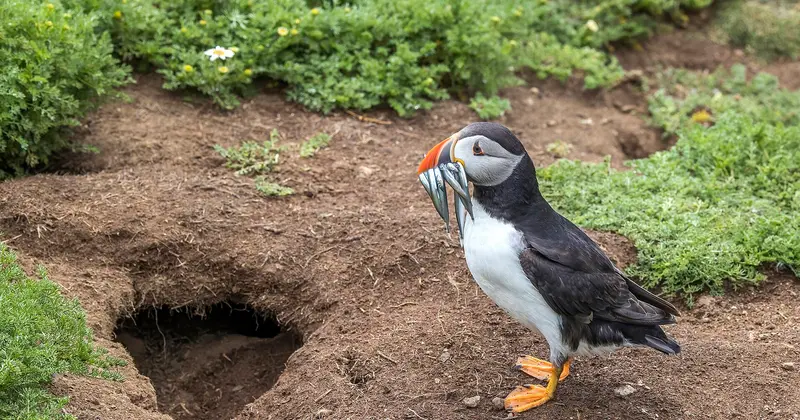
Where and when to see puffins in the UK
Go between mid-April and early July. RSPB Bempton Cliffs in Yorkshire needs no boat, while the island colonies on Skomer and Inner Farne do. By August most puffins have gone back to sea, and no amount of patience will bring them to a cliff in winter.
- No. 3,
How close can you get to seals in the UK?
Stay at least 100 metres away, which is about the length of a full-sized football pitch. If a seal lifts its head and stares at you, you are already too close, whatever the distance. Most seal pups on their own are not abandoned, so do not move them.
- No. 4,
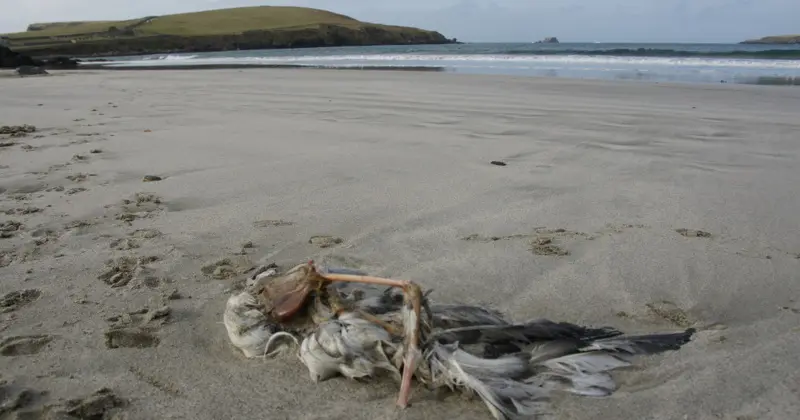
What to do if you find an injured or dead seabird
Do not touch it. Dead wild birds in England, Scotland and Wales can be reported to Defra online or on 03459 33 55 77. For a live bird in trouble, contact a local wildlife rescue or vet first, then the RSPCA, Scottish SPCA or USPCA. Do not put it back in the sea.
- No. 6,
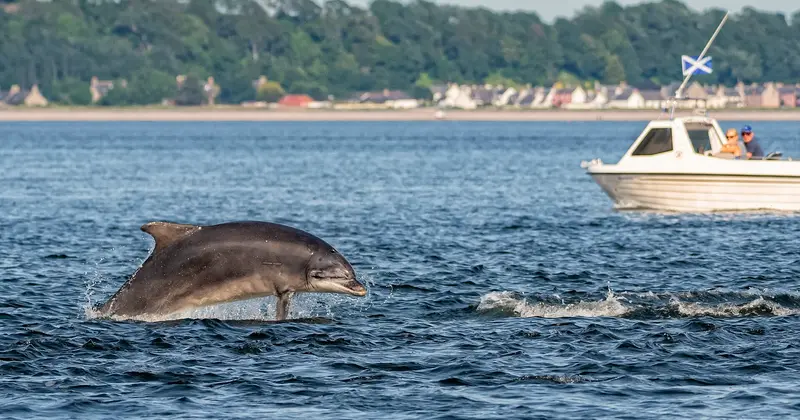
Can you see dolphins from the shore in the UK?
Yes. Bottlenose dolphins are regularly seen from land at Chanonry Point on the Moray Firth and New Quay pier in Cardigan Bay, and neither needs a boat. Nothing is guaranteed, so plan for a long wait on a calm day with a rising tide.
- No. 2,
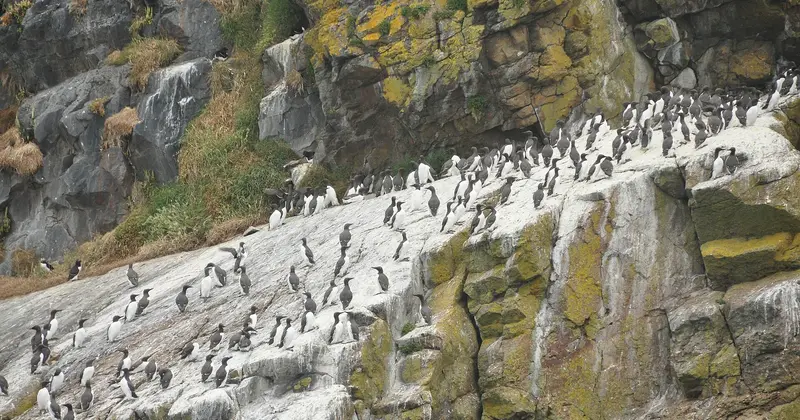
How to tell a guillemot from a razorbill
Look at the bill first. A guillemot has a thin, pointed bill. A razorbill has a deep, blunt, black bill with a white mark across it. If the light is too poor to see the bill, colour helps: guillemots look chocolate brown above, razorbills blacker.
- No. 5,
Is it illegal to disturb nesting seabirds?
Sometimes. All wild birds, active nests and eggs are protected in Great Britain, and disturbing a Schedule 1 species at the nest is an offence. Puffins, guillemots and razorbills are not on Schedule 1, but other offences can still apply, especially on protected sites. Behave as if the law covers every bird.

Photographs in this list are credited on each field note and on the about page.